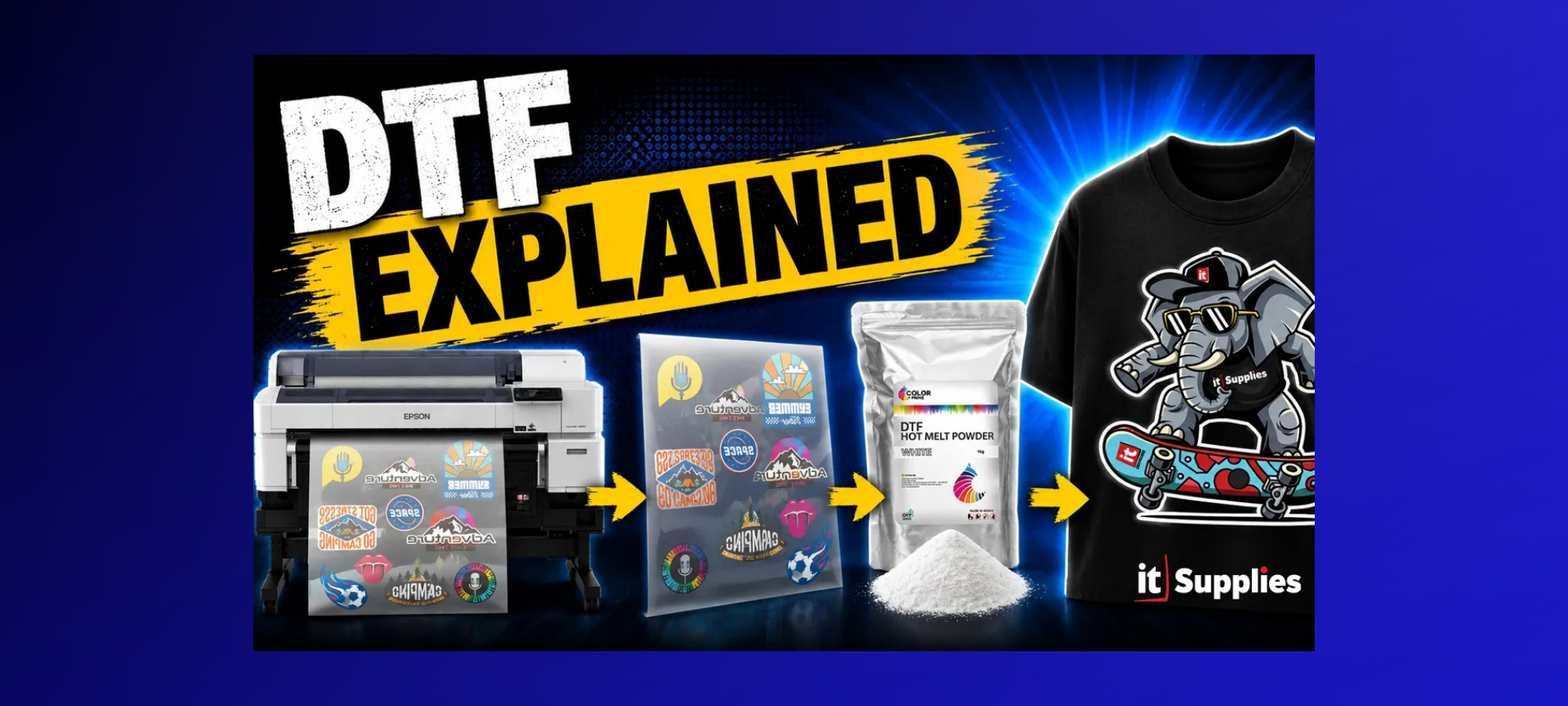

DTF printing, short for Direct-to-Film printing, has quickly become one of the most popular digital printing technologies in the custom apparel industry. Known for its versatility, vibrant colors, and ability to decorate a wide variety of fabrics, DTF printing has opened new opportunities for businesses ranging from startup apparel brands to established print shops.
Unlike traditional decoration methods such as screen printing or Direct-to-Garment (DTG) printing, DTF printing creates transfers that can be applied to garments on demand using heat and pressure. This unique workflow allows businesses to print transfers in advance, store them until they’re needed, and apply them to apparel when production begins. The result is greater flexibility, reduced inventory concerns, and the ability to produce professional-quality prints on everything from cotton T-shirts to polyester performance wear.
In this blog, we’ll explain exactly how the DTF printing process works, the equipment involved, the advantages and limitations of the technology, and the factors to consider before investing in a DTF printer. Whether you’re researching new printing methods or looking to expand your apparel decorating capabilities, understanding Direct-to-Film printing can help you determine if it’s the right solution for your business.
What Is DTF Printing?
Direct-to-Film (DTF) printing is a digital garment decoration process that prints a design onto a specialized PET transfer film instead of directly onto the fabric. Once the design is printed, a powdered adhesive is applied to the wet ink, cured using heat, and then transferred onto the garment with a heat press.
This process differs significantly from other popular apparel decoration methods.
With screen printing, each color requires its own screen and setup, making larger production runs more efficient than small orders. Direct-to-Garment (DTG) printing, on the other hand, prints directly onto the fabric and typically performs best on cotton garments that have been properly pretreated.
DTF printing combines many of the strengths of both methods while eliminating some of their limitations. Since the design is transferred rather than printed directly onto the garment, it can adhere to a wide range of materials, including:
- Cotton
- Polyester
- Cotton/polyester blends
- Tri-blends
- Performance fabrics
- Canvas
- Tote bags
- Sweatshirts
- Hoodies
- Many other textile products
This versatility has made DTF one of the fastest-growing technologies in the custom apparel market, particularly for businesses producing short runs, personalized garments, promotional products, and print-on-demand orders.
How Does the DTF Printing Process Work?
Although DTF printing produces impressive results, the overall workflow is surprisingly straightforward. Each stage plays an important role in creating a durable, vibrant transfer that withstands repeated washing and everyday wear.
The basic DTF process consists of five primary steps:
- Print the design onto PET transfer film.
- Apply adhesive powder to the wet ink.
- Cure the adhesive using heat.
- Heat press the transfer onto the garment.
- Peel the film and perform a finishing press.
Let’s look at each stage in greater detail.
Step 1: Printing the Design onto PET Transfer Film
The process begins by printing artwork onto a specially coated PET transfer film using a dedicated DTF printer.
Most DTF printing systems use CMYK textile inks along with white ink to create vibrant graphics on both light and dark garments. White ink serves as an underbase, allowing colors to remain bright and opaque even when applied to black or other dark-colored fabrics.
Depending on the printer model and production requirements, some systems may also include expanded color configurations that improve color accuracy or increase the printable color gamut.
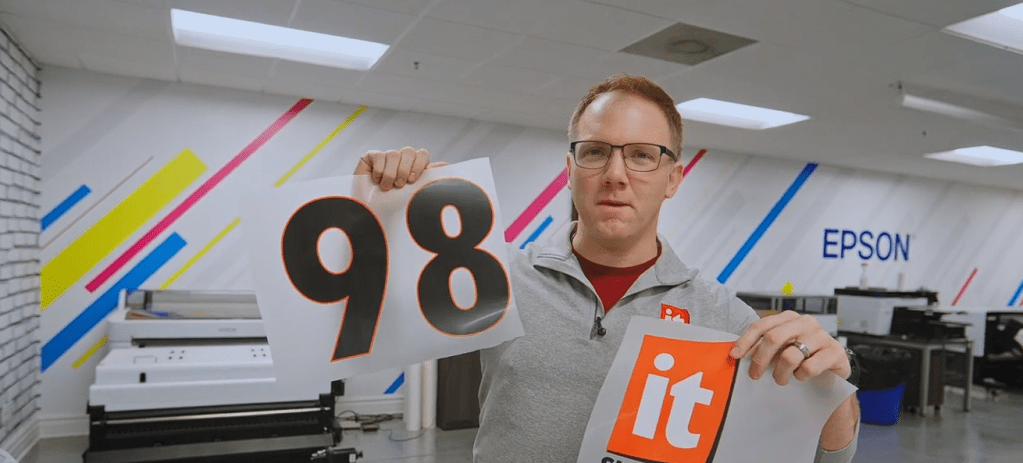
Because the artwork is printed onto film instead of directly onto apparel, businesses can produce transfers ahead of time without committing them to a specific garment. This makes production scheduling significantly more flexible than many traditional printing methods.
Proper printer maintenance is essential during this stage, especially when working with white ink. Since white ink contains heavier pigments than standard CMYK inks, regular circulation and maintenance help prevent settling and clogged printheads, ensuring consistent print quality throughout production.
Step 2: Applying the Adhesive Powder
Immediately after printing, while the ink is still wet, a specially formulated DTF adhesive powder is evenly applied across the printed design.
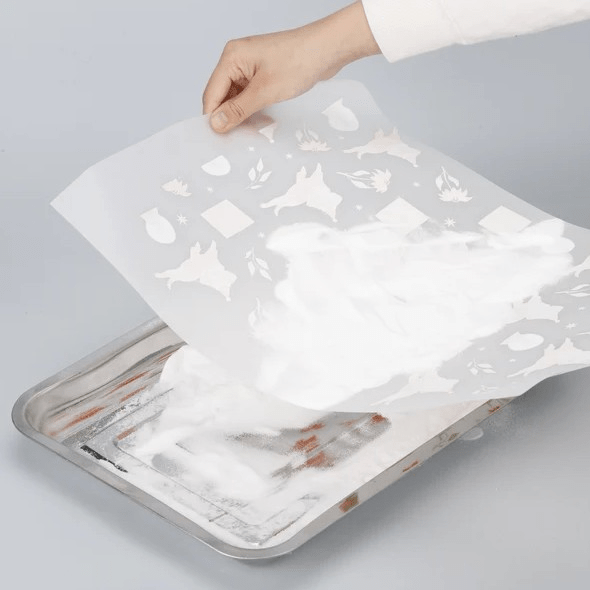
The adhesive powder sticks only to the wet ink, creating the bonding layer that will later attach the design securely to the garment. Any excess powder is removed before moving to the curing stage.
Selecting the correct adhesive powder is important because different powders may perform better with specific fabrics, transfer films, or production environments. Factors such as humidity, shop temperature, and workflow can also influence powder performance and overall print consistency.
A smooth, even powder application helps ensure clean edges, strong adhesion, and long-lasting durability after pressing.
Step 3: Curing the Transfer
Once the adhesive powder has been applied and the excess has been removed, the transfer moves into the curing stage. During this process, heat melts the adhesive powder into the printed ink layer, creating a durable transfer that’s ready for application.
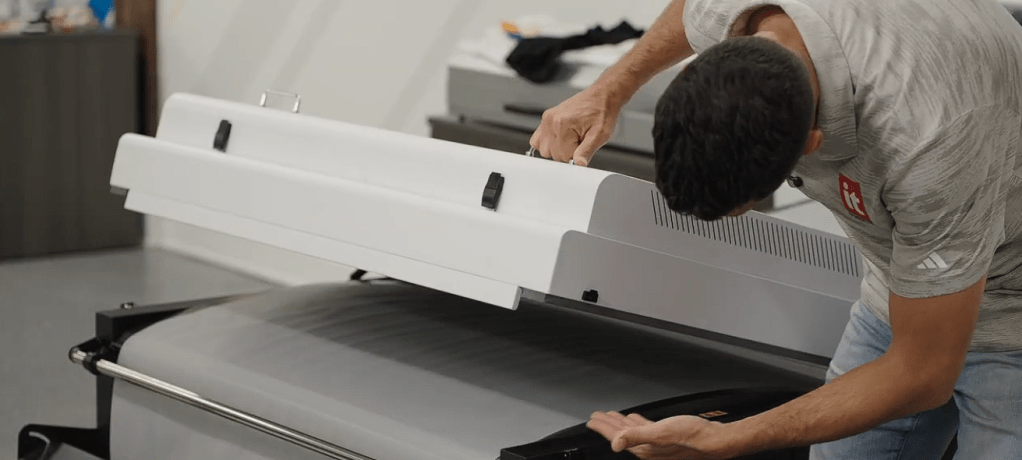
Although curing may seem like a simple step, it’s one of the most important parts of the entire DTF workflow. Proper curing ensures the adhesive bonds correctly with the ink while maintaining the flexibility needed for long-lasting performance on garments.
The exact curing temperature and time can vary depending on several factors, including:
- The type of transfer film being used
- The adhesive powder formulation
- The curing equipment
- Shop temperature and humidity
- The manufacturer’s recommended workflow
Following the recommendations provided by your equipment and consumable suppliers is essential for achieving consistent results. Under-curing can result in poor adhesion and reduced wash durability, while over-curing may negatively affect the transfer’s flexibility and overall appearance. Browse DTF Curing Oven options available on our website here.
Step 4: Applying the Transfer to Apparel
After curing, the transfer is complete and can either be applied immediately or stored for future use. This ability to print transfers ahead of production is one of DTF printing’s biggest advantages.
Instead of printing directly onto each garment as orders arrive, businesses can create an inventory of transfers in advance. When an order is placed, the transfer is simply aligned on the garment and applied using a heat press. This workflow allows decorators to wait until they know the garment style, color, and size before completing production, reducing waste and improving efficiency.
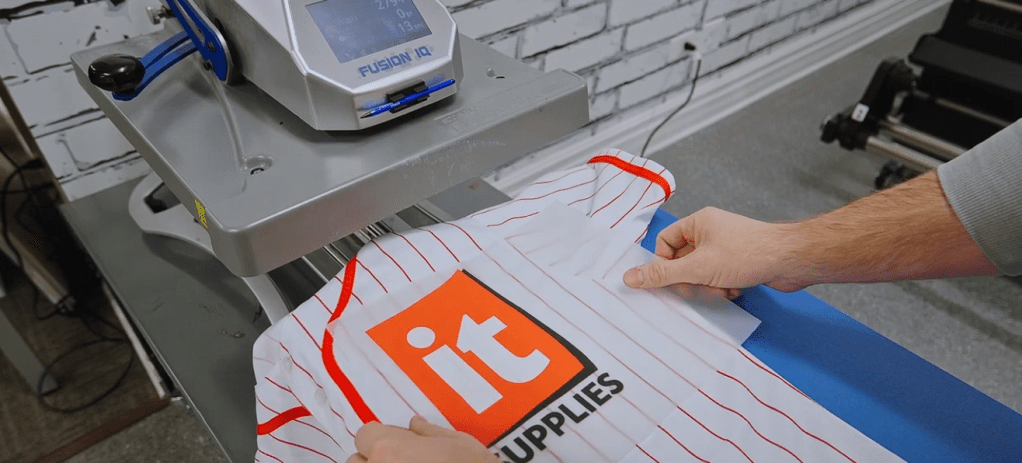
To apply the transfer, the garment is positioned on the heat press, the transfer is placed in the desired location, and heat and pressure are applied according to the film manufacturer’s recommended settings.
Because transfer films vary between manufacturers, application temperatures, dwell times, and pressure settings may differ. Always refer to the specific instructions for your film and adhesive combination to achieve the best results.
Hot Peel vs. Cold Peel Transfers
One important aspect of the application process is understanding the difference between hot peel, warm peel, and cold peel transfer films.
The difference isn’t the artwork itself—it’s the amount of time you wait before removing the PET transfer film after pressing.
Hot Peel transfers allow the carrier film to be removed almost immediately after opening the heat press. This can speed up production and is popular in higher-volume environments.
Warm Peel transfers require waiting briefly until the transfer cools slightly before removing the film.
Cold Peel transfers must cool completely before the carrier sheet is peeled away. While this process takes longer, many decorators prefer it for certain films and applications because it can provide excellent detail and transfer stability.
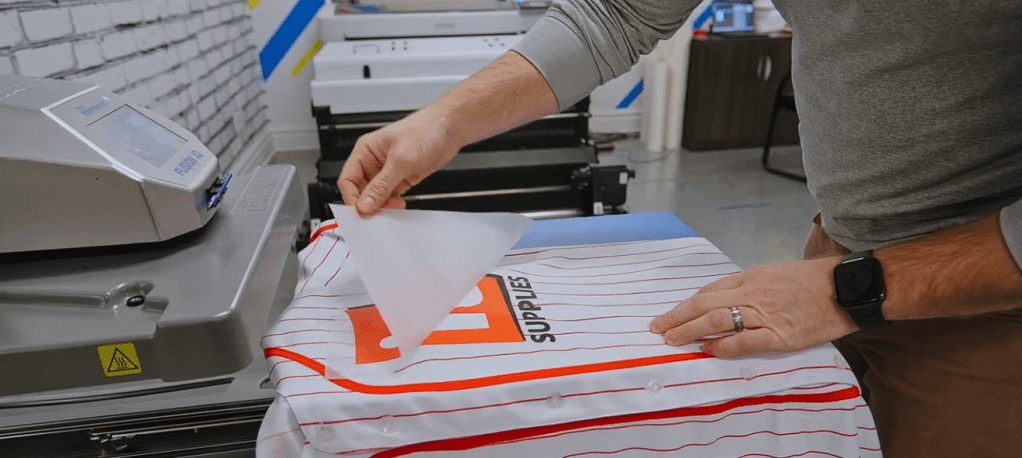
Ultimately, the correct peel method depends on the transfer film you are using. Attempting to peel a cold peel film while it’s still hot—or waiting too long with a hot peel film—can affect transfer quality, so it’s important to follow the manufacturer’s recommendations.
Many decorators also perform a final finishing press after removing the transfer film. This additional press typically lasts between three and five seconds and helps improve durability, adhesion, and the overall feel of the finished print.
Benefits of DTF Printing
The rapid growth of DTF printing isn’t just a trend—it’s the result of a technology that addresses many of the challenges apparel decorators have faced for years.
Prints on a Wide Variety of Fabrics
Perhaps the biggest advantage of DTF printing is its versatility.
Unlike some decoration methods that work best on specific fabric types, DTF transfers can be applied to cotton, polyester, blends, performance apparel, fleece, canvas, and many other textiles. This flexibility allows businesses to expand their product offerings without investing in multiple printing technologies.
Vibrant, Full-Color Graphics
DTF printing produces bright, detailed graphics with excellent opacity, even on dark garments.
Using CMYK inks combined with a white underbase allows intricate artwork, gradients, photographs, and fine details to reproduce accurately across a wide range of apparel colors.
Ideal for Short Runs and Custom Orders
Because there are no screens to create or lengthy setup processes, DTF is an excellent choice for:
- Personalized apparel
- Small business orders
- Team uniforms
- Promotional products
- Company apparel
- Print-on-demand fulfillment
- Limited edition merchandise
Businesses can efficiently produce one garment or one hundred without the setup costs traditionally associated with screen printing.
Increased Production Flexibility
Printing transfers ahead of time provides decorators with greater production flexibility.
Shops can prepare transfers during slower production periods, organize them by design, and apply them only when customer orders arrive. This workflow helps reduce bottlenecks while simplifying inventory management.
Challenges and Considerations
Like every printing technology, DTF printing comes with its own learning curve and operational considerations.
Understanding these factors before investing in equipment helps businesses set realistic expectations and establish efficient production workflows.
White Ink Maintenance
White ink is one of the most important components of DTF printing—and one of the most maintenance-intensive.
Because white pigment is heavier than standard CMYK inks, it requires regular circulation and routine maintenance to minimize settling and help prevent clogged printheads.
Consistent maintenance is essential for maintaining print quality and minimizing downtime.
Environmental Conditions Matter
Temperature and humidity can influence multiple stages of the DTF process, including powder adhesion, curing consistency, and transfer performance.
Maintaining a stable production environment helps improve repeatability and reduces unexpected printing issues.
Workflow Optimization
Successful DTF production often comes down to finding the right combination of equipment, consumables, and settings.
Factors such as transfer film, adhesive powder, curing equipment, heat press pressure, application temperature, and peel timing all contribute to the final result.
Many shops spend time testing different workflows before settling on the combination that consistently delivers the quality and durability their customers expect.
Is DTF Printing Right for Your Business?
DTF printing has become a valuable solution for businesses looking to expand into custom apparel without the limitations associated with some traditional printing methods.
Whether you’re producing promotional products, corporate apparel, sports uniforms, fashion brands, or print-on-demand merchandise, DTF offers a flexible production method capable of decorating a wide variety of garments with vibrant, durable graphics.
The technology is especially attractive for businesses that frequently produce short runs or personalized orders, allowing them to create transfers in advance and apply them only when production begins.
However, selecting the right DTF solution involves more than simply purchasing a printer. Film quality, adhesive powder, inks, curing equipment, heat presses, production volume, available workspace, and ongoing maintenance should all be considered before making an investment.
By understanding your production goals, application requirements, and budget, you can determine the DTF workflow that best fits your business today while supporting future growth.
Conclusion
DTF printing has transformed the custom apparel industry by giving businesses a flexible, efficient, and versatile way to produce high-quality graphics on a wide variety of garments. By printing designs onto PET transfer film and transferring them with adhesive powder, heat, and pressure, decorators can create vibrant, durable prints while simplifying production and reducing setup time.
As with any printing technology, achieving consistent results requires the right combination of equipment, consumables, and workflow. From selecting the proper transfer film and adhesive powder to maintaining white ink systems and dialing in heat press settings, every step contributes to the final product.
Whether you’re launching a new apparel business, expanding your production capabilities, or exploring alternatives to traditional printing methods, DTF printing offers a powerful solution that continues to gain momentum throughout the industry.
If you have questions about DTF printing or need help selecting the right equipment, supplies, or workflow for your application, our team is here to help. Give us a call at 1-800-771-9665 or email us at hello@itsupplies.com and ask to speak with one of our DTF specialists.
Shop DTF at IT Supplies
Explore our selection of DTF printers, inks, films, powders, and accessories to find the right solution for your business.
It Supplies – Direct to Film Applications
Interested in watching the video? Check it out here.
IT Supplies is your one-stop shop for everything you need to achieve the perfect print. We partner with top manufacturers to bring you the best in printing technology, including Eco-Solvent, Latex, UV, and Aqueous printers from EPSON, HP, and Canon. Our lineup also features a wide selection of Dye-Sublimation, DTF, and DTG printers from EPSON and HP. Explore our full range at www.itsupplies.com or by giving us a call at 1-800-771-9665!

