
White ink has long posed challenges for print providers, but with the innovations in HP Latex printers, it has become more accessible and affordable. This blog explores five creative ways to utilize white ink in your printing projects, showcasing how these techniques can elevate your offerings.
Understanding the Challenges of White Ink
For many years, print shop owners have struggled with the complexities of using white ink. The primary issue lies in its maintenance and cost. White ink, made with titanium dioxide, is known for its brightness and opacity, but it comes with unique challenges. Its heavier nature means it can settle, requiring regular shaking of cartridges to prevent sedimentation. This thickness can also lead to clogged print heads, necessitating frequent cleanings and potentially wasting ink.
HP has addressed these issues with their innovative circulation system that continuously moves white ink between cartridges, keeping it fresh and ready for use. This system minimizes waste and maintenance, making white ink a more viable option for print providers.
Five Ways to Print with White Ink
Now, let’s dive into the five effective methods for utilizing white ink in your projects.
1. Spot Printing
The most straightforward method of using white ink is through spot printing. This technique involves applying white ink to specific areas of an image. It’s perfect for projects where you need white accents against a colorful backdrop. For instance, using white ink on clear media can create stunning window graphics. This method is also effective for privacy films and window clings.

2. Under Flood Printing
Under flood printing involves placing white ink beneath colored ink. This technique is ideal for hiding the underlying color of a non-white substrate or for printing on clear media. A great example of under flood printing can be seen on metallic paper, where the white ink enhances the vibrancy of the colors above it while allowing some metallic areas to shine through.

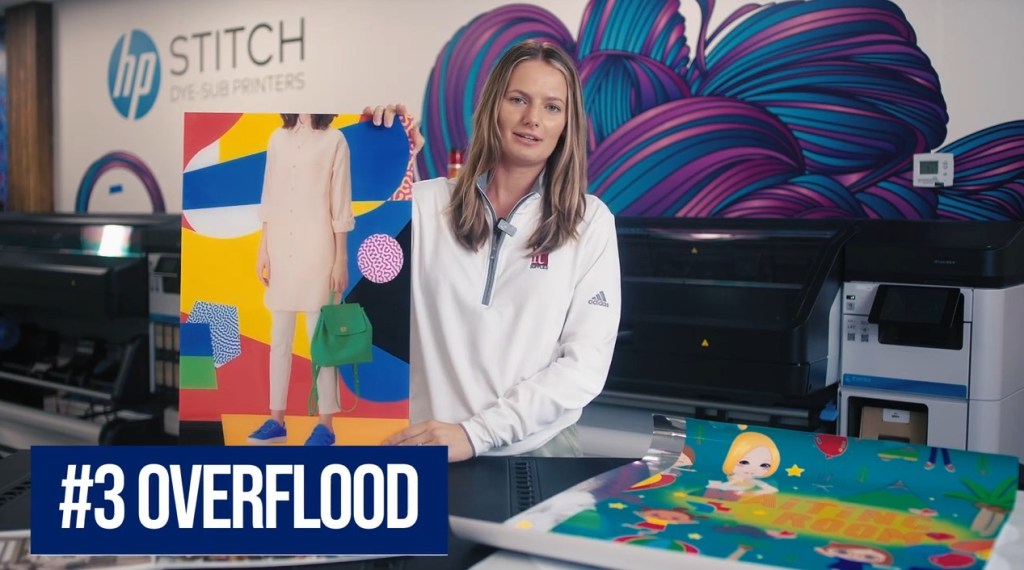
3. Over Flood Printing
Contrary to under flood, over flood printing applies white ink over color. This method is particularly useful for rigid applications, such as printing on acrylic. In this case, the image is viewed from the opposite side, and the white layer ensures the colors appear opaque and vibrant. This technique can significantly enhance the visual impact of your prints.
4. Three-Layer Printing
Three-layer printing involves a sequence of color, white, and color. This technique is especially beneficial for backlit applications, ensuring that the print looks stunning both during the day and at night. By adding a white layer between two color layers, you achieve remarkable saturation that enhances the print’s vibrancy when illuminated.

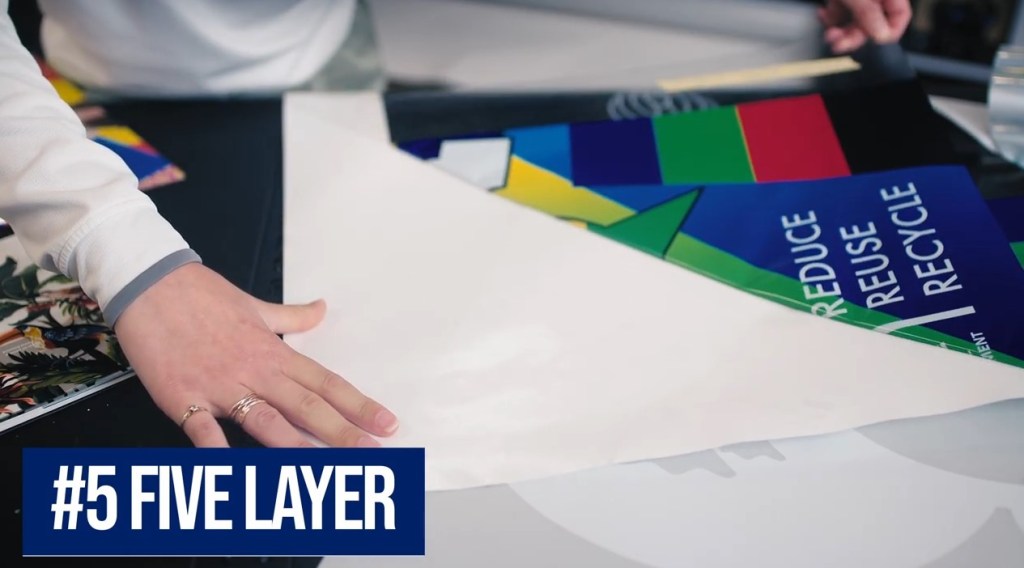
5. Five-Layer Printing
The most complex method is five-layer printing, which consists of color, white, black, white, and color. This technique is designed for double-sided prints, particularly effective on clear media. It allows for two distinct images to be viewed from either side, with white layers increasing opacity. However, be mindful that this mode is considerably slower, so it’s crucial to communicate print times and costs with clients.
Conclusion
HP Latex printers have revolutionized the use of white ink, making it easier and more cost-effective for print providers. The five techniques discussed offer a wealth of opportunities to enhance your printing capabilities and meet diverse client needs. Whether you’re looking to create striking window graphics or sophisticated backlit displays, white ink can elevate your projects to new heights.
For more resources and to explore the range of HP products, visit www.itsupplies.com
 IT Supplies Blog